Family Connections Magazine, Winter 2015
Melanie Serrao, a senior in the School of Family Life (SFO) with an emphasis in family studies, has become quite familiar with Alzheimer’s disease. For several years, she helped an elderly man write his family history. As she typed and edited, she watched with admiration as he cared for his wife, who was confined to a wheelchair and suffering from Alzheimer’s. Last year, Serrao coordinated activities at an Alzheimer’s care center. And most recently—about one year ago—her grandfather was diagnosed with the very same disease.
“Watching them, and seeing my grandpa, made me very interested in the elderly population,” said Serrao. This interest in the elderly has led her to seek further education and add a gerontology minor to her SFL degree at Brigham Young University (BYU). According to family life professor and gerontology committee member Jeremy Yorgason, discovering an interest in gerontology through a grandparent, a neighbor, or work experience is quite common. Yorgason’s own interest in gerontology stemmed from living as a student with his grandfather.
BYU students with such an interest can educate themselves on the lives of the elderly by choosing one of two tracks: the minor or the certificate. The gerontology minor focuses on research; it requires students to complete twelve credit hours of classes and a directed research project involving subjects age fifty or older. To earn a certificate, which is more hands-on, students must complete classes and an internship where they work with the elderly.
In the late 1990s, the gerontology program at BYU was transferred to the School of Family Life, which has given it more focus on aging in the context of family relationships. Yet the program still fosters interdisciplinary learning about the aging process. The coursework calls on experts from biology, physiology and developmental biology, health science, neuroscience, nursing, sociology, psychology, and family studies to provide a comprehensive picture of the issues people face later in life. This interdisciplinary emphasis gives students an opportunity to learn about aging outside of their regular fields of study.
“We may have different disciplinary backgrounds, but we share the perspective that to understand the entire aging process, we’ve got to have everyone’s help,” said Vaughan Call, professor of sociology and director of the gerontology program.
As Call puts it, the gerontology program has two main objectives: “to foster student learning about the aging process and faculty research on aging.” To this end, a steering committee appropriates funds for scholarships and new studies on aging. Many research projects originally funded through the gerontology program have gone on to receive additional funding from outside BYU.
Each year, the gerontology program sponsors two major events. In the fall, gerontology students head to St. George, Utah, for the Huntsman World Senior Games. As thousands of seniors from around the world come to compete in athletic events, BYU students conduct health screenings and gather data. Spring brings with it the Russell B. Clark Gerontology Conference. At this conference, world renowned scholars share the latest research conducted on the aging process.
Census figures project that by 2050 about a third of the population of the United States will be age fifty-five or older. As Yorgason suggests, “We’re seeing signs of a flood.” Many students will work with the elderly in the future, whether they be their clients or recipients of a particular service. The gerontology program aims to give students skills that will help them to understand the needs of the elderly they work with and to succeed in their careers.
The skill set students will take with them into their careers depends on whether they take the minor or earn the certificate. Call reported that several former students have come back to him saying that the certificate gave them an edge in competing for a job. Others have received benefits from the academic knowledge they gained in the minor. Either way, the program has allowed students the opportunity to select a path that works best for their needs.
In addition to the academic and career advantages gained from the program, Call hopes that the program will help students prepare for their own old age. The issues presented in gerontology studies do not apply only to the students’ parents and grandparents—they apply to everyone. “You start young [in] preparing for your old age,” said Call. “Whether you like it or not, every day you’re aging.”
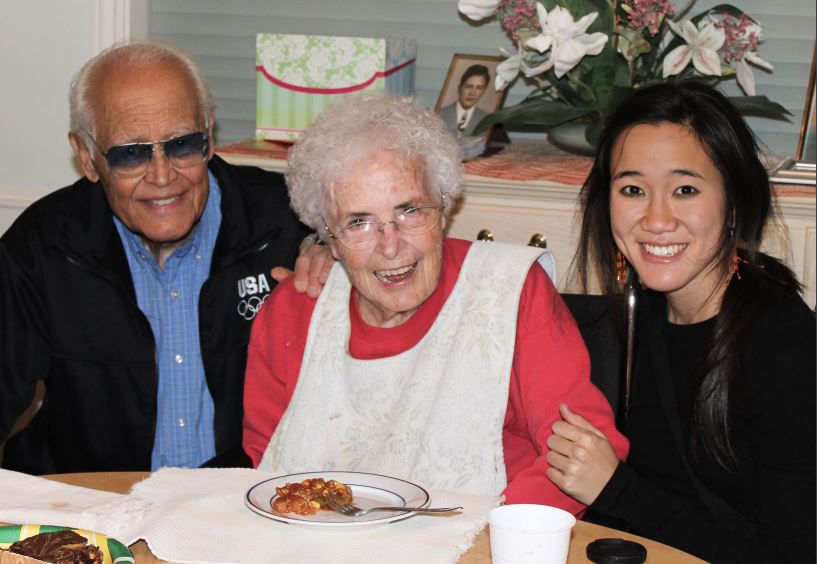
The gerontology program aids even students who are not in the minor or certificate programs. Serrao is a teaching assistant for an adult development and aging class where many of the students are not involved with gerontology at all. Talking with these students, Serrao has learned that many are afraid of interacting with older people; they simply don’t know how to do it. However, the service learning aspect of their class requires them to work with the elderly and, “the ones that have done it have come back to me and said that it really changes their perspective,” said Serrao.
Yorgason, who teaches the adult development and aging class, confirmed Serrao’s observation. “[The students] get in and see that these people just need a friend, someone to listen to them, someone to talk to, and they just fall in love with these people,” said Yorgason. Studies also suggest that this service learning aids in combating negative stereotypes about older people. So, what do students do once they’ve graduated? Serrao’s plan is to attend graduate school. After that, she dreams of opening her own adult daycare center for people with Alzheimer’s. Students like Serrao supply the dreams. Professors Call, Yorgason, and other dedicated faculty members and staff provide the knowledge and skills to get them there.
See the original article for BYU’s Family Connections magazine here: learning-to-serve-the-elderly-the-gerontology-program-in-the-school-of-family-life
 Ben Hale: Content Marketer & Writer
Leave a comment